Weirder
A very literary week
Don Paterson @ Southbank Centre:
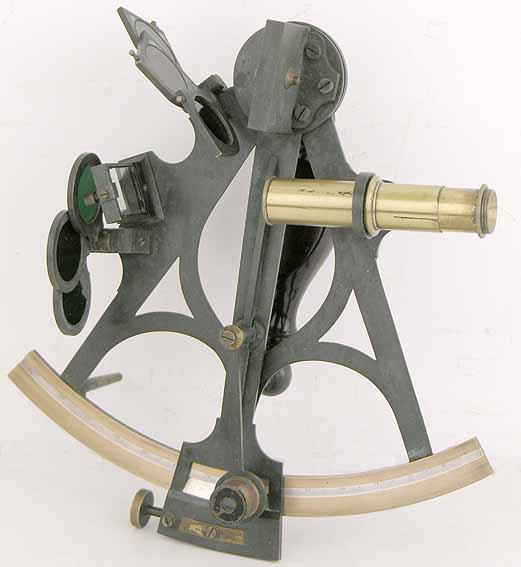
Don Paterson, in Q&A after reading from his new collection Rain, picked up on Yeats’ “if it weren’t for the rhyme I wouldn’t know where the poem had to go”. Paterson said that, for him, the imposition of a rhyme scheme helps make more necessary the poem's end, drawing words that are (a word you could and couldn't imagine Yeats using) weirder. I had an idea of the poet having been bitten by something unidentified, somewhere on his calf, applying the contraption of the poem (it looked like a piece of nautical apparatus, parts of it shabby, others nicely polished) and OUT comes the poem!
Robert Eaglestone (and notable others!) @ The Text and the World Conference, Exeter:
Eaglestone refers to trauma as a “re-Bildungsroman”, or the beginning of one - an event after and in the light of which identity must be re-formed… There was a lot of talk of Trauma Theory, and some interesting questioning of the way Caruth and others talk about the reader-text relationship in patient-therapist terms, and how spurious this is. For example in the case of Edwidge Danticat’s The Dawn Breaker (the subject of Jo Collins' paper), the point was made that the reading act might be de-politicised (ie. moved further from the realm of the actual, the effective) because the reader’s desire to do something about the horrors of the text (Danticat writes about Haiti) is used up rather than stirred up in reading.